
Introduction
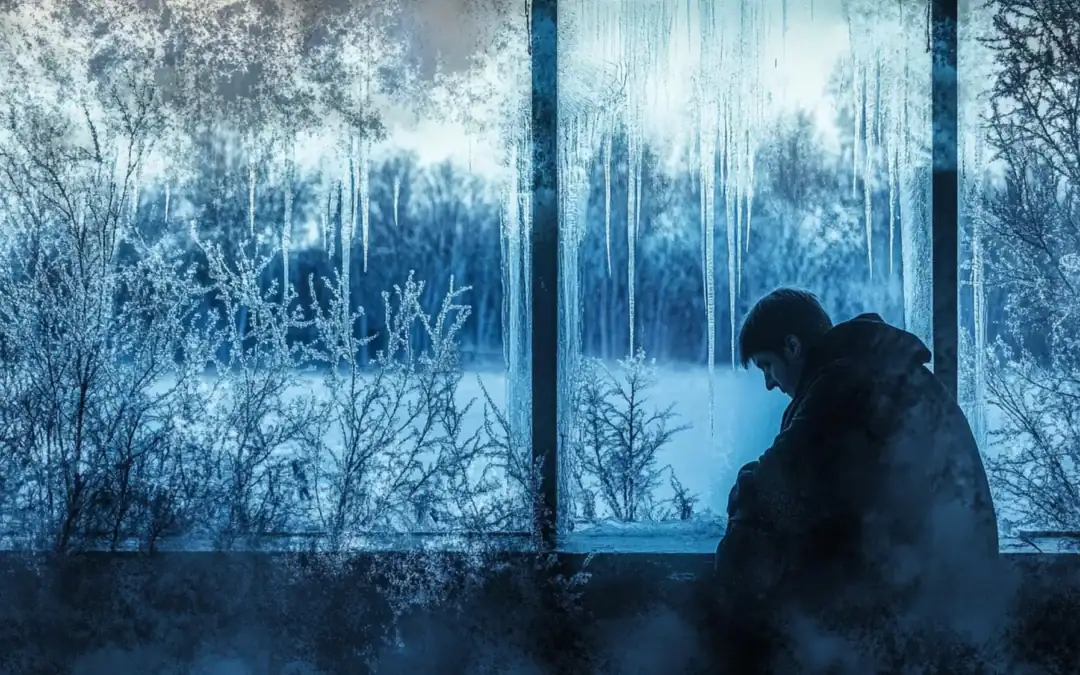
The holidays are over. The lights have dimmed. And suddenly, everything feels heavier. If you are reading this in early January feeling demoralized, disappointed or just a bit pervasively “off” — know that you are not alone. What you’re feeling has a name: January Blues. And it strikes millions of people around the world every year.
That festive-season emptiness? You know, the battle to get out of bed on those dark winter mornings? Feeling like those New Year’s resolutions are impossible already? These are not signs of weakness or failure. They are natural but a largely unnecessary reaction to the perfect storm of biological, psychological and social factors that reach their zenith in January.
There are explanations — and remedies — for what you’re feeling.
This piece, then, is about what January Blues actually are (because they’re a hell of a lot more complicated than most people realise) why the month has such an effect on us – and crucially, what you can do about it. Regardless of whether you are in Chania, elsewhere in Greece, or reading this anywhere around the world, there are strategies that we’ll be discussing here that can help put things into perspective.
What Are January Blues?
January Blues is the collective name for feeling low on energy and a bit ‘meh’ that many of us get in the lead up to February. It is a subclinical phenomenon — not a mental health disorder, but instead a well-documented psychological response to certain seasonal and environmental conditions. One in three adults experience noticeably low mood in January compared with other months of the year according to research.
This usually lasts for two to four weeks. The majority of individuals see their mood naturally improve as they readjust to routines and the number of daylight hours grows. Unlike a clinical condition, there’s nothing diagnosable about the January blues; they are self-limiting and do not cause significant interference with the daily routine beyond making things seem that little bit more difficult than usual.
It’s a phrase that entered psychological vernacular in the 1990s, but the experience is as ancient as time. Ancient Greek doctors remarked the seasonality of mood, and many cultures worldwide have long known how tough deep winter can feel. In recent years psychologists have pinpointed January as a particularly difficult time due to many stressors all coming together leading to what we now know as January Blues.
January Blues are temporary. They pass. And there are things you can do to make yourself feel better.
Knowing this is to be expected can indeed be very comforting. You’re not “broken” or abnormally weak — you’re human, reacting normally to actual challenges.
The Understanding the Difference Between Depression and SAD
It is important to differentiate between feelings of the January Blues, diagnosed clinical depression and Seasonal Affective Disorder (SAD). Some unnecessarily worry that the struggles they experienced in January are a sign of something worse, while others might dismiss severe symptoms as “just the blues.”
January Blues vs Clinical Depression
The January Blues; one picks them up, and they don’t last. They’re a reaction to something specific, and usually clear up in a few weeks without any treatment. You may be in the dumps, but you can function — still go to work, still engage with loved ones, still take care of your basic needs. It feels yucky but is bearable.
When your low mood lasts for more than two weeks and seriously affects the way you live, that’s clinical depression. It has an impact on your work, relationships and your ability to care for yourself. Depression encompasses symptoms such as constant hopelessness and inability to enjoy anything, notable weight changes and in some cases contemplation of self-harm. These symptoms not only make life more difficult — they make simply functioning all but impossible.
January Blues vs Seasonal Affective Disorder
SAD is a cyclical form of depression that comes and goes with the seasons, usually starting in fall and continuing into winter. It’s annual, predictable. Individuals who have SAD develop full major depressive episodes that clearly meet DSM-IV diagnostic criteria. They require professional treatment, often with light therapy, medication or psychotherapy.
But The January Blues are singular to January and need not be a regular annual occurrence. They’re milder and shorter-lived. And while a person with SAD has difficulty through the whole winter, someone with January Blues generally feels better by February or March.
If your symptoms last 2-3 weeks or longer, or are severely affecting your ability to function, seek out the help of a psychologist.
The good news? For some people, whether they realise it or not, just the fact we have more on our plate and less time to do what we want may cause us to feel a bit low. Even if you don’t know which category your situation fits into though, any of the strategies for coping with January Blues could still apply. And if you need additional support, experts like Savina Anastasaki in Chania are trained to guide and assist you with what’s going on.
How January Hits Us Where We Feel It
I believe January is a perfect storm of conditions to threaten our mental and physical fitness. As you become more familiar with them, it can also help to reassure you that you’re not alone in this and there are effective ways to address these triggers.
Biological Factors
Our bodies are exquisitely sensitive to light, and in January, there simply isn’t enough of it to satisfy them. In Greece, despite our relatively temperate climate compared to that of northern Europe, January is always the month filled with the shortest daylight and the longest night. This absence of light sets in motion a series of physiologic shifts.
Diminished sunlight exposure lowers serotonin — the neurotransmitter that helps to regulate mood, appetite and sleep. Research suggests it has up to 30% lower levels of serotonin in the winter months. And all the while your pineal gland is making even more melatonin to help you feel groggy and sluggish when it’s still light out.
Your circadian rhythm — your body’s internal clock — gets screwed up when daylight is in short supply. This disrupts not just sleep but also hormone production, appetite and energy levels all through the day. It’s why you may feel that you want to sleep more, but wake up feeling less rested, or crave carbohydrates all day long.
This is further complicated by lack of Vitamin D. Even in sun-drenched Crete, winter’s rays are insufficient to prompt adequate synthesis of vitamin D. By January, a person’s vitamin D stores from the summer are long gone. Depressed mood and fatigue Highly associated with low vitamin D. A study in 2014 discovered that 70% of adults have low vitamin D levels in January, which nearly triples to 20% during the month-July.
Psychological Factors
The emotional topography of January is especially difficult. The year-end holidays generate an emotional peak — excitement, connectedness, anticipation. And January slams to a halt this, which psychologists call a “hedonic contrast effect.” The stronger the high, the more extreme the low that follows it seems.
It is especially hard to return to routine after holiday break. The magic and promise of the season make room for everyday duties. Work emails pile up. Bills from holiday spending arrive. The streets festooned in decoration return to regular gray.
Then there are the New Year’s resolutions on top of that. We arrive in January with grand plans — to slim down, save cash, change jobs, meet someone — and by February or March have coughed them up like so many fur balls. By that second week, when real life starts to interfere with these idealistic plans, we feel like failures. Social media doesn’t help; it broadcasts everyone else’s New Year, New Me success while we can barely get out of bed.
Financial pressure peaks in January. Holiday spending finally catches up when the next paycheck feels like it’s forever away. Like other Greeks, many in Chania have others costs to bear — heating bills, activities for children returning to school, annual insurance that comes due. Financial stress is highly correlated with mood problems.
The anticipation-reality gap hits hard. January is traditionally when we all hope to get something of a fresh start, and some new energy. In fact, it usually results in exhaustion and anticlimax. This expectation-reality gap just exacerbates the sense of disappontment and insufficiency.
Social Factors
We are social animals, and yet January brings isolation. After weeks of soirees, parties and family time, January is devoid of all manner of social events. We retreat indoors, away from the dark and cold. The contrast is bleak and lonely.
Social exhaustion from the holidays ironically leads us to retreat when we most need connection. The Introverts Despite themselves, introverts feel it when they’re forced into holiday socializing during December. Extroverts miss the constant stimulation. Both factions suck at balance.
The weather in January, for which also in Chania it’s cold — inhibits outdoor activity and casual socializing. We’ll be less inclined to propose meeting friends for coffee, or the evening walk that we might use to chat with neighbors. We engage more with others online, but that doesn’t yield the same mood perks as in-person exchange.
Work culture tends to ramp up in January. “New year, new targets” culture adds pressure. Everyone’s proving themselves after the holiday lull. Competition and added pressure comes at a time when our emotional tank is already empty.
It’s not weakness. It’s biology, psychology and circumstances — all teamed up against you.
Symptoms of January Blues
Knowing the symptoms of January Blues can help you gain a better understanding of what you are feeling and when to seek help. These symptoms naturally fall into three groups, which tend to overlap and mutually reinforce each other.
Emotional Symptoms
These are at the heart of January Blues. You might feel a lingering sad or empty feeling that wasn’t there in December. Nothing ever quite feels as good as it should. Even things that typically offer enjoyment — watching favorite shows, hanging out with friends, practicing hobbies — ring hollow and uninspiring.
Irritability skyrockets; minor grievances that you would normally shake off grow into major annoyances. Lots of these folks tell me they feel terrible about themselves, like their lives are a disaster while everyone else is living the dream. There’s a-ok-ish feeling of being stuck or caught, unable to get forward.
Physical Symptoms
Physical symptoms may also be just as problematic. Fatigue rules — not ordinary tiredness, but bone-deep fatigue that a good night’s sleep doesn’t alleviate. Your sleep cycle changes; you may sleep too much but never feel well-rested or spend hours lying in bed at night despite tiredness.
Appetite changes are common. Some people lose all interest in food, and others endlessly crave carbohydrates and comfort foods. Concentration becomes difficult. Reading, settling down to work, even listening in on conversations calls for more effort than normal. Uncharacteristic aches and pains, headaches or tummy troubles drag some people down.
Behavioral Symptoms
Behavioral symptoms are generally unrecognized or underreported and have a serious impact on daily living. The social withdrawal starts subtly — sitting out a few invitations, then a few more, until the isolation is now the norm. Procrastination increases as motivation plummets. Jobs that normally take minutes balloon into hours or are delayed indefinitely.
We are less productive at work, even as we spend more time attempting to do less. Self-care routines slip. Regular exercise falls away; healthy eating goes out the window; it takes an empty tub to get a bath. Lots of people drink more alcohol, use other unhealthy coping skills to just release that valve for a little bit and it makes it much worse as time goes on.
If you identify with a number of these symptoms, take heart. They’re probably much more prevalent than what you believe.
The trick is knowing what’s normal January Blues, and what might require professional attention. If the symptoms last more than three weeks, affect you so much that you interfering with your functioning and include thoughts of self-harm, then seek support from a professional ASAP.
Practical Coping Strategies
Daily Habits That Help
A lack of light is your biggest weapon in the battle against January Blues. For your brain, which needs light signals to set its master internal clock that controls mood and energy. Even on overcast January days in Chania, the great outdoors is much brighter than indoors.
Within an hour of waking, aim to spend at least 30 consecutive minutes outside. If you are an indoor worker, spend breaks by windows. You might look into getting a light therapy lamp — 10,000 lux for 20-30 minutes each morning can lead to significant mood improvement within a week.
Physical activity is the world’s best antidepressant. You don’t need grueling workouts or gym memberships. A good mood is known to arrive in the form 20 minutes or more of walking. Exercise releases endorphins and raises serotonin levels to enhance the quality of sleep.
The beach walks that Chania provides the year around bring together movement, exposure to light and nature contact. If you can’t exercise outdoors due to weather, online workout videos or simple stretching exercises work. The thing is more consistency versus intensity.
Sleep Hygiene is important for a disrupted circadian rhythm. Sleep.properly Going to bed and waking up at the same time, every day even on weekends will do you good. Most adults get their best sleep with seven to nine hours.
Build a bedtime routine that triggers your brain to slow down — bad lighting, no screens an hour before bed, and perhaps some light reading or gentle stretching. Keep your bedroom cool, dark and quiet. If you’re unable to drift off within 20 minutes, get out of bed and do something relaxing until the urge for sleep returns.
What we eat has more of an impact on our mood than most people realize. 3 fatty acids, which you can find in fish, walnuts and flaxseeds, are beneficial for brain health and mood regulation. “These complex carbs sustain energy levels without the spikes and crashes that come from sugar and highly processed foods.
B vitamins in general, but B12 and folate in particular, are necessary for mood control. Most of us need vitamin D supplements in winter — speak with your doctor about dosing. Alcohol, after all, disrupts sleep and worsens mood even though it provides temporary relaxation.
💬 Feeling like you need support?
Savina Anastasaki is available for sessions in Chania or online.
Psychological Techniques
Realistic goals help avoid the resolution trap which increases January Blues. Rather than aspirations of grand transformation, think small and achievable. “Exercise on a daily basis” becomes “walk for 10 minutes three times this week.” “Eat healthy” turns into “add one vegetable to lunch.
Success breeds success. The small wins give you momentum and self-efficacy.
Connection is the antidote to isolation, even when being social feels like work. You don’t need large groups or lengthy conversations. Send one text to a friend. Make one phone call. Have one coffee with someone.
Virtual connections also count — video-chatting with far-flung friends or family delivers real mood benefits. Such informal connections, sharing greetings with neighbors and talking to local shopkeepers, are of value in Chania’s tight-knit community.
Self-compassion may not come naturally but it’s powerful. Listen to how you speak to yourself about your January struggles. You wouldn’t talk that way to a friend in your circumstances. Practice being as kind to yourself as you would be to someone else.
Keep in mind that feeling down doesn’t make you weak, or a failure — it makes you human grappling with true challenges.
Mindfulness enables you to put a foot outside rumination cycles. You do not need elaborate meditation practices. Five minutes of concentrated breathing, paying attention to physical sensations or observing thoughts without judgment can change your mental state.
Head to apps like Headspace or Calm for guided practices if you don’t know where to begin. The point isn’t to feel better immediately, but to create some space between you and hard emotions.
By building your own structure when you have little motivation, it acts as an external scaffold for the days. Some routines, like timing coffee in the morning, eating meals at consistent times and having an established bedtime, bring certainty that can stabilize moods. Incorporate small joys into your routine: some favorite music as you get dressed in the morning, a special tea during the afternoon, time spent with a good book before bed.
When to Seek Professional Help
Professional help is required when the January Blues start affecting your everyday life. If you’ve missed work more than a few times, sequestered yourself from human contact for couple of weeks or seen your relationships fail in this period, it’s time to get help. Symptoms that persist longer than three weeks could mean something other than those January Blues.
Regarding thinking of hurting or killing yourself, please seek professional help immediately. These thoughts might make sense when you’re depressed, but they are symptoms of an illness that tends to be very treatable. Call a mental health professional, emergency hotline or crisis line right away.
What you need sometimes is someone objective to talk to. Therapy offers a safe venue to examine hard-to-tolerate emotions without being judged. A pro can help you understand whether you’re facing January Blues, depression, or something else altogether. They can teach techniques to cope that are targeted to your circumstances.
Asking for help isn’t weakness. It’s the first act of strength.
My Experience as a Psychologist in Chania
I can always count on an uptick in appointment requests each January. Second week of January, like clockwork, I’ve learned to expect the calls after years of practice in Chania. “I don’t know what’s wrong with me,” clients frequently start. “I don’t even feel like me.”
No matter what, however, when I raise the topic of January Blues with those who experience it they are struck by how relieved having a name for their wintertime sadness. Just the knowledge that their experience is normal, predictable, and temporary makes them feel better. In fact one client recently said to me, “I thought I was going crazy. It changed everything.” “Knowing this feeling is normal for me, it was such a massive thing.”
I think of Maria (name changed), a teacher in Chania who came to see me three Januaries ago. She felt as though she was “moving through fog” after the holidays, she said. Together we instituted a few simple changes — morning walks along the Venetian harbor, vitamin D supplementation, weekly coffee dates with friends even when she didn’t feel like it.
Within three weeks, she was feeling “like herself again.” Now, she’s taking proactive action to prepare for January, aware of what is coming and how she can handle it.
During the pandemic, that online therapy option has extended my reach even further to people all over Crete and beyond. I’ve collaborated with Greeks who live abroad and especially suffer from January Blues, being far away from their families and the known sunny weather. The seasonal and homesickness challenges combine to allow uniquely useful opportunities for culture-informed therapy.
But I want everyone to know this: January Blues are real, they are difficult, and they are absolutely treatable. Regardless whether you muster self-help treatments or seek professional therapy, you can bring to the surface those better feelings. In my many years of practicing in Chania and online, I have witnessed how hundreds of individuals overcome January Blues.
Some require only one or two sessions for reassurance and strategies. Still others require ongoing, more intensive help addressing the underlying patterns.
As a psychologist, I’ve witnessed how fast things can get better with the right help.
The best part about dealing with January Blues is that the changes you make stick and are relevant all year long. “Instead of reaching for a cookie or trying to drink our mood away, we can pay attention with an open attitude,” Querido added. “If in January 2020 you want to set some other good intention knowing how you feel is gonna be helpful.”
And recognizing and recording feeling patterns, developing coping strategies and practicing self-compassion? Those are tools that serve you well beyond January.
Frequently Asked Questions (FAQ)
What are January Blues exactly?
It’s marked by feelings of sadness, lack of motivation and exhaustion after the holiday season. Unlike clinical depression, January Blues are generally low-level and temporary (you’re looking at about two to four weeks here) and they do not seriously affect your day-to-day life. They’re a natural response to the confluence of diminished daylight, post-holiday letdown and all that’s challenging about winter.
For how long do January Blues usually last?
January Blues last for 2 to 4 weeks and usually occur from early January to early February. For many people, you find that the mood just lifts if allowed to settle back into a routine and as our days get longer. If everything hardens up and/or lasts longer than 3–4 weeks or begins to worsen, I would just check with a Professional of some sort to make sure you are not dealing with clinical depression or Seasonal Affective Disorder.
Does January Blues actually equate to depression?
No, January Blues and clinical depression are not the same. Symptoms of January Blues are transient, mild and self-limited and usually spontaneously remit within weeks without treatment. A clinical depression lasts at least two weeks, can significantly impair function in day-to-day life and may have serious symptoms such as lingering feelings of hopelessness, inability to experience pleasure or joy, major weight fluctuations and occasionally suicidal thoughts. If you are unsure which you’re dealing with, a mental health professional can help break it down and support you.
What can I do to beat January Blues myself?
There are a few evidence-based antifunk strategies to keep in mind: maximizing exposure to natural light (30+ minutes daily), maintaining consistent exercise (even 20-minute walks count), keeping your sleep-wake cycle on an even keel, eating balanced meals rich with omega-3s and vitamin D, staying connected to friends and family, setting small attainable goals rather than world-changing resolutions and giving yourself a break when you slip up. If you aren’t seeing improvement in 2-3 weeks, then it might be worth seeking help.
At what point should I see a psychologist for January Blues?
You should see a psychologist if symptoms last longer than 2-3 weeks, interfere with your work or relationships, involve thoughts of self-harm, or prevent you from performing everyday activities. Also seek help if you’ve attempted self-help strategies and they’re not working, or if you’re unsure whether your January Blues are something more serious. Savina Anastasaki provides a free 20-minute consultation, either in Chania or online, to discuss your requirements.
Can online therapy help for January Blues?
Yes, studies indicate that online psychotherapy is just as effective as in-person therapy for mood-related problems such as the January Blues. Online therapy provides convenience, accessibility, and comfort that can help you more easily maintain a regular schedule of sessions throughout the winter season. “Especially for people who may not have the flexibility or the privacy,” to travel easily, or who’d prefer not to. A lot of the intimidation of seeking therapy is absent when doing so online for the first time.
Do endorphins released during exercise actually cure January Blues?
Absolutely. It can be as little as 20-30 minutes of light exercise per day that makes a difference. Movement stimulates the production of endorphins and serotonin, natural mood lifters. It also improves sleep quality and elevates your energy level, and creates structure in your day. You don’t have to do high-intensity workouts — simply going for walks, doing some gentle yoga or even dancing around in your living room help shift your mood. The focus should be on consistency, not intensity.
Conclusion
January is rough — and that’s all right. The switch from holiday heat to winter reality is hard on everybody. What you’re going through has a name, an explanation and very importantly, solutions. January Blues are temporary. Spring will come. Your mood will lift.
The strategies we’ve talked about — from light exposure and exercise to self-compassion and professional support — aren’t merely theoretical. They’re practical tools that work. You don’t need to do everything at once. Start small. Pick one strategy that clicks for you and start there.
Keep in mind, getting the January Blues does not make you weak or broken. It’s what it is to be a human being trying to navigate through a perfect storm of biological, psychological and social conditions. Millions of others around the world are coping with the same Sturm und Drang at this very moment. You’re not alone in this.
If self-help approaches aren’t enough or you’re not sure whether you have the January Blues or something more serious, professional help is there. Psychologists like Savina Anastasaki here in Chania are aware of these difficulties and can offer tailored support, be it face-to-face or over the internet.
Your life can feel different. The first part is to believe it — and seek help if you need it.
🎁 Free 15-Minute Phone Consultation
Take the first step today. Sessions available in Chania or online from wherever you are.
About the Author
Savina Anastasaki is a psychologist and psychotherapist in Chania, Crete.
Academic Qualifications:
- MSc in Clinical Psychology
- Integrative Psychotherapist
- Systemic Psychotherapist
- Cognitive and Behavior Therapist
- NLP Master-Practitioner
Savina has assisted individuals in Chania and across Greece face hard times and take the road towards mental health.
Services:
- One to one therapy (including online)
- Couples Therapy
- Business Coaching
🎁 Get started: Savina has a free 20-minute consultation to talk about what you need.
References
Kurlansik, S. L., & Ibay, A. D. (2012). Seasonal affective disorder. American Family Physician, 86(11), 1037-1041.
Lam, R. W., Levitt, A. J., Levitan, R. D., Michalak, E. E., Cheung, A. H., Morehouse, R.,… & Tam, E. M. (2016). Hardoy M.C, et al [70] Efficacy of phototherapy in nonseasonal depression Ann Gen Psychiatry 2005; 4:13Boivin D.B, et al 18931287 Boivin DB, Czeisler CA, Dijk DJ,. JAMA Psychiatry, 73(1), 56-63.
Melrose, S. (2015). Seasonal affective disorder: an overview of assessment and treatment methods. Depression Research and Treatment, 178564.
Nussbaumer‐Streit, B., Forneris, C. A., Morgan, L. C., Van Noord, M. G., Gaynes, B. N., Greenblatt, A.,… & Gartlehner, G. (2019). Preventive light therapy for seasonal affective disorder. Cochrane Database of Systematic Reviews, (3), CDOO663.
Penckofer, S., Kouba, J., Byrn, M., and Estwing Ferrans, C. (2010). Vitamin D and depression: where is all the sunshine?. Problems in Mental Health Nursing, 31(6), 385-393.
Rosenthal, N. E. (2012). Winter blues: Everything you need to know to fend off seasonal affective disorder. Guilford Press.
Wirz-Justice, A., Benedetti F., & Terman M. From dawn to dusk: a practical guide to growing healthy house plants round the clock. Karger Medical and Scientific Publishers.